Casino culture developed through more than games and financial wagers. Across different historical periods, gambling was connected with celebrations, hospitality, conversation, fashion, and social status. The places where people gathered to play often reflected the values and traditions of the societies around them.
In earlier centuries, gaming commonly took place in homes, taverns, private clubs, and public gathering spaces. These settings allowed people to meet, compete, and observe one another. The social experience was often just as important to understanding gambling culture as the games themselves.
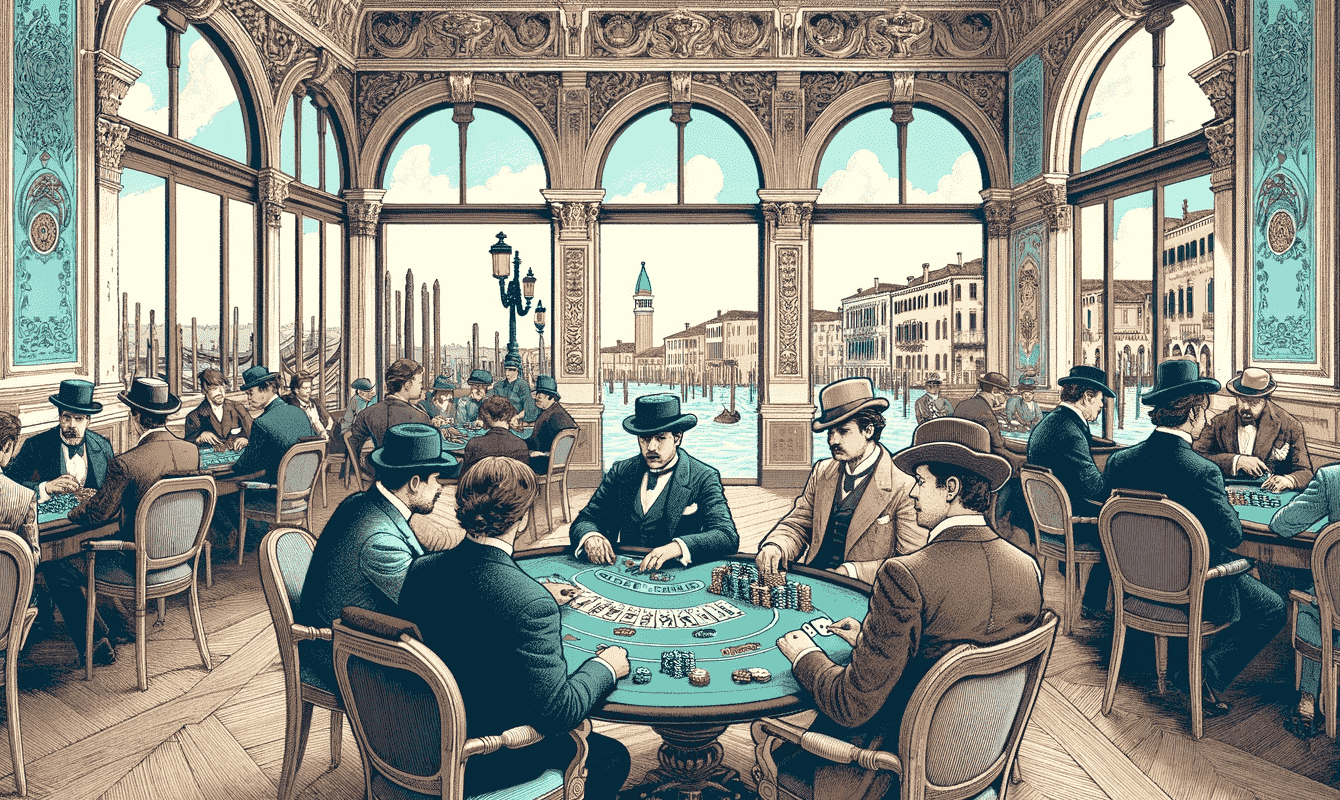
Seventeenth-century Venice provides a useful example of how social customs influenced organized gaming. The Ridotto, established in 1638, became associated with the city’s Carnival season. Masks, formal clothing, and elaborate interiors helped create an atmosphere that differed from ordinary street life.
Historical scholarship describes Venetian gambling venues as places where social boundaries could become more flexible, even while wealth and status continued to influence participation. Gaming brought people together, but the high stakes and formal expectations also limited who could comfortably take part.
The experience demonstrates that casino culture has never been shaped by chance alone. Architecture, clothing, etiquette, and the social rules of a venue all influence how people experience a gaming environment. Source of more about it.
During the eighteenth and nineteenth centuries, commercial gaming expanded across parts of Europe. Gambling establishments developed alongside urban leisure, tourism, and fashionable social destinations. Visitors could combine gaming with dining, conversation, music, and other forms of entertainment.
The meaning of the word casino also evolved. The Italian term originally referred to a small house or country retreat before becoming associated with places offering public amusement and, increasingly, gambling. This linguistic change reflects a broader transformation in how gaming venues were understood.
Over time, different destinations developed their own identities. Some emphasized elegance and exclusivity, while others became associated with lively public entertainment. Local customs and regulations influenced the atmosphere, making casino culture different from one region to another.
In the twentieth century, casino development increasingly became connected with tourism and hospitality. Hotels, restaurants, performances, and other attractions helped some venues appeal to visitors who were interested in more than gaming.
Las Vegas illustrates this shift particularly clearly. Following Nevada’s legalization of casino gambling in 1931, the city developed into a major destination associated with themed resorts, live entertainment, and large hospitality complexes.
This model changed expectations about the casino visit. Instead of treating gaming as an isolated activity, resort operators could build an experience around accommodation, dining, architecture, and entertainment. However, the balance between these elements varies by location and venue.
Modern casino culture continues to change as visitor expectations, technology, and social attitudes evolve. Digital entertainment has introduced new ways to access games, while physical venues continue to use design, service, and live experiences to distinguish themselves.
Despite these changes, several historical themes remain recognizable: people gather around shared activities, venues create distinctive atmospheres, and social customs influence how entertainment is experienced.
Understanding casino history therefore means looking beyond the games on the tables. The changing relationship between gambling, hospitality, architecture, and public life explains why casino culture has taken so many different forms across the centuries.