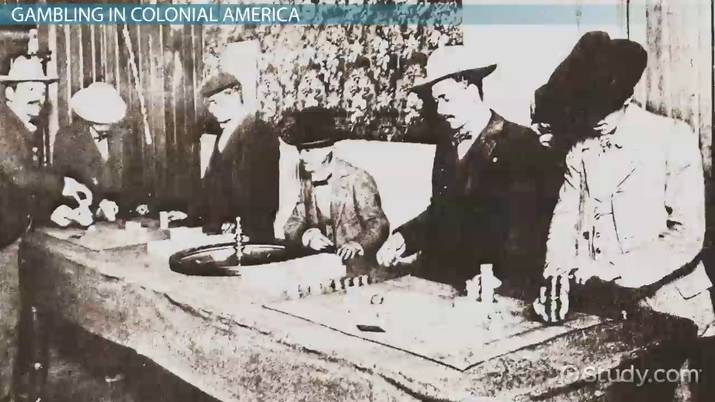
Gambling became part of American social life long before the country developed its modern casino industry. Card games, dice, lotteries, and informal wagers appeared in different communities, although attitudes toward them varied widely. Some people viewed gambling as recreation or a way to raise money, while others associated it with debt, fraud, and disorder.
During the nineteenth century, gambling became particularly visible in frontier communities. Mining settlements and rapidly growing towns brought together workers, merchants, travellers, and entrepreneurs. Saloons and other gathering places often offered card games alongside food, drink, and conversation.
These activities were not the same as today’s regulated casino resorts. Rules and enforcement varied by location, and games could operate in informal or legally uncertain settings. Nevertheless, frontier gambling helped establish a connection between gaming, travel, and local economies. Go here!
Nevada became a major turning point in the development of American casino history. Gambling had a long presence in the territory and state, but its legal status changed repeatedly. In 1909, Nevada prohibited most forms of gambling. That restriction did not end the activity, and political attitudes continued to shift.
On March 19, 1931, Governor Fred Balzar signed legislation legalizing broad forms of gambling in Nevada. The decision created a legal foundation for the regulated industry that would later become closely associated with Las Vegas. The first gaming licence in Las Vegas was issued that year to the Northern Club on Fremont Street.
Economic conditions also mattered. Construction of Hoover Dam began in 1931, bringing workers and new business activity to the region during the Great Depression. As the population and visitor economy grew, gambling venues had an expanding audience.
Over the following decades, Las Vegas moved beyond its early downtown gaming rooms. Hotels, restaurants, entertainment, and increasingly ambitious buildings became central to its identity. Casino operators began competing through the overall visitor experience, not simply the range of games available.
Large resorts helped transform the idea of a casino visit into a broader holiday. Guests could stay overnight, dine at different restaurants, watch live performances, and spend time in themed environments. This approach made architecture and entertainment important parts of the commercial model.
The change was gradual rather than automatic. Investment, transportation, advertising, regulation, and shifts in visitor expectations all contributed to the city’s development.
Las Vegas did not remain the only important destination. In New Jersey, voters approved casino gambling in Atlantic City on November 2, 1976. The decision opened another major market and created a regulated gaming destination on the Atlantic coast.
Other states later developed their own approaches to casino regulation, including tribal gaming and destination venues in different regions. As a result, American casino history became a story of varied legal systems rather than one uniform national model.
The transformation of American gambling reflects wider changes in travel and entertainment. Informal games in frontier settlements gradually gave way, in some places, to licensed businesses connected with hotels, live shows, and tourism.
Today’s destinations still face questions about economic development, regulation, and gambling-related harm. Their history shows that casino growth has always depended on more than public interest in games. Local laws, investment, transportation, and the ability to attract visitors have been equally important in shaping America’s gaming landscape.