When you hear the word gambling, you might think of glittering casino floors, bright slot machines, and crowded poker rooms. But the story of gambling begins thousands of years before the first casino was built, in times when humans were living in tents, working fields, and telling stories by firelight.
Long before neon lights or spinning reels, gambling was already part of human culture, and it looks like we’ve been drawn to games of chance almost as long as we’ve had history at all. Evidence shows that gambling may be as old as human civilization itself, and it was played not just for fun, but for religious, social, and even economic purposes.
The Very Beginning: Chance and Curiosity in Ancient Times
Dice from Prehistory
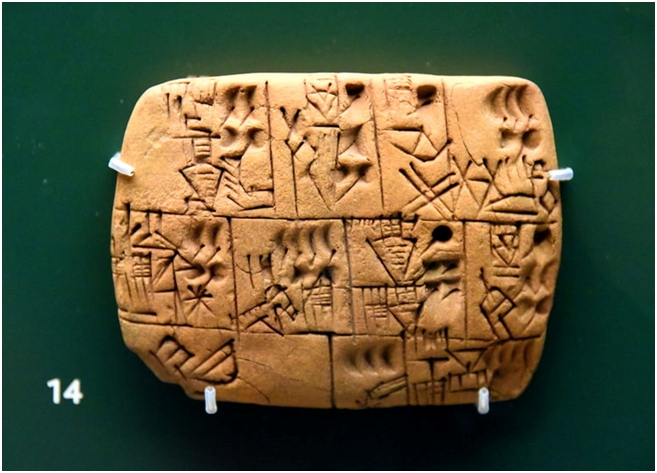
Archaeologists have uncovered the earliest known dice in Mesopotamia — what is now Iraq — dating back to around 3000 BCE, but these seem to have evolved from even older gambling tokens used thousands of years earlier.
Most of these early chance tools weren’t uniform cubes — they were often astragali (knucklebones from sheep or other animals). People used them in games that were both recreational and interpreted as omens from the gods.
“Rolling dice today gives the same thrill — uncertainty and hope. Ancient people felt that same excitement.” — Commentary from a history forum user.
Early Board Games and Lotteries
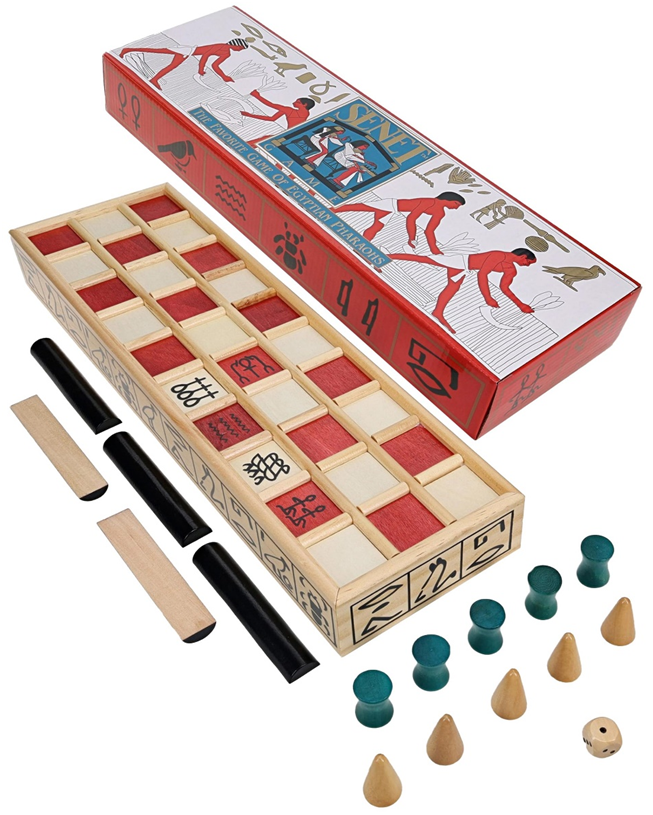
In ancient Egypt, board games like Senet were played as early as 3000 BCE, often involving chance combined with strategy. Meanwhile, ancient China had early versions of Keno as far back as 200 BCE, which might have been used to fund public projects, including the building of the Great Wall of China in legend.
These were not just for entertainment. In many cultures, gambling tools were linked with religion and fate — used to make decisions, predict outcomes, or honor deities.
Across Civilizations: How Gambling Grew Around the World
China: Games Go Mainstream
China’s rich gambling history includes tiles, betting on animal fights, and some of the earliest lotteries. The Chinese not only enjoyed games of chance but eventually used them as state-supported revenue generators.
India and Epic Tales
In the Indian epic Mahabharata, a royal dice game leads to a kingdom’s loss — a cautionary story showing how gambling was already woven into culture and morality more than 2,000 years ago.
Ancient Greece and Rome
In ancient Greece, shells and early forms of dice were used in games. The Romans were especially fond of dice games, even though many laws tried to restrict gambling. Emperor Augustus once restricted games to the festival of Saturnalia as a way to control it, yet people still found ways to play outside those times.
“Alea iactaest – the die is cast.” Julius Caesar’s famous words reflect just how deeply chance was woven into life and decision-making in ancient Rome.
From Private Games to Official Gambling Houses
Medieval and Renaissance Europe
By the Middle Ages, gambling had become widespread despite religious opposition. People played cards, dice, and betting games quietly in homes and taverns. But as society became more structured, so did gambling.
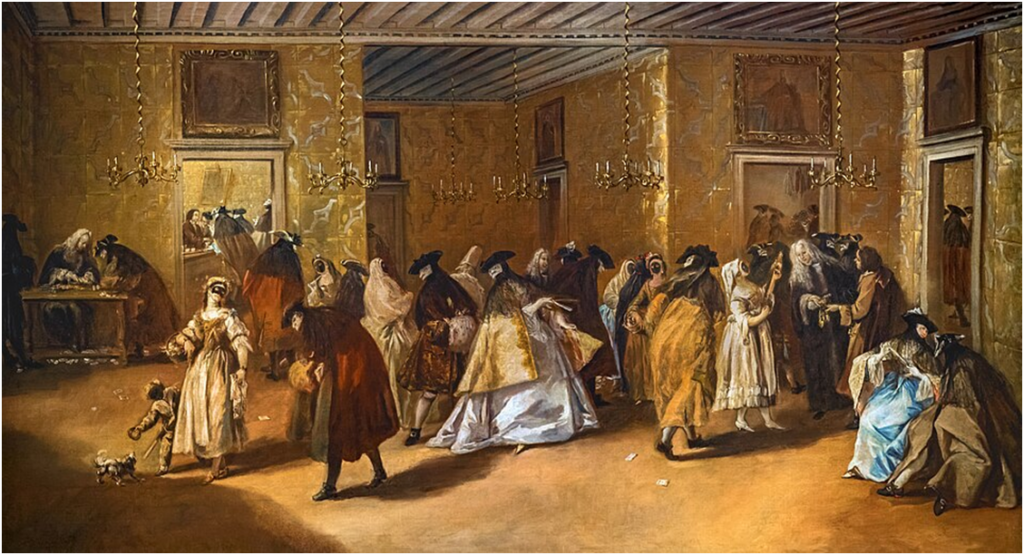
In 1638 in Venice, Italy, the first government-sanctioned gambling house known as the Ridotto officially opened. This was the first true casino space designed specifically for gambling, laying a foundation for modern gambling venues.
Probability Theory and the Math of Chance
Around the same time, thinkers like Blaise Pascal were exploring mathematical probability — not to build casinos, but to understand randomness — which later became essential to modern gambling. Probability theory helped games become more formal and fair.
A Timeline You Can Visualize
| Time Period | Event |
| 5000 BCE | Primitive chance objects used (possibly earliest gambling) |
| 3000 BCE | First six-sided dice in Mesopotamia |
| 2000 BCE | Early Chinese chance games and lotteries |
| 1500 BCE | Board games with betting in Egypt |
| 900 CE | Playing cards appear in China |
| 1638 CE | First modern gambling house opens in Venice |
| 1800s | Slot machine and casino games develop |
This timeline shows how gambling slowly evolved from simple chance play to organized recreation, then to businesses and games recognizable today.
Why Gambling Captured Human Hearts
Across time and space, people have played games of chance not just for money, but for:
This explains why, even when authorities tried to ban gambling, it never fully disappeared — it simply adapted.
Comments From People Today
Here are real online reactions showing how people still connect with gambling’s long history:
💬“The fact that ancient soldiers rolled dice just to pass time feels familiar — we do the exact same thing on phone games.”
💬“Learning that poker and roulette have roots in medieval Europe makes it feel like these games are more cultural than just money-making.”
A Shared Human Experience
Today’s gambling, whether played in land-based casinos or through online apps, is a continuation of these ancient human behaviors. The tools, environments, and stakes have changed, but the core has not:
Uncertainty. Hope. Risk. Reward.
Those are the same feelings people had 5,000 years ago — in Mesopotamia, China, Egypt, India, and Rome. Gambling started long before the casino building existed. It started inside the human mind.