Introduction
Modern casinos with gleaming floors, organized tables, chips of every colour, and people from everywhere feel polished and deliberate. But if we step back in time, the games we now recognize as blackjack, poker, roulette, dice, and slots didn’t arrive fully formed. They were shaped by centuries of culture, chance, curiosity, and refinement.
Every card shuffle, dice roll, and wheel spin has a story some dating back thousands of years. Let’s explore how these games evolved into what we know today, with real histories, fascinating stats, examples, and voices from people who’ve studied or lived the gaming culture.
🂡 The Oldest Gaming Roots: Dice & Luck
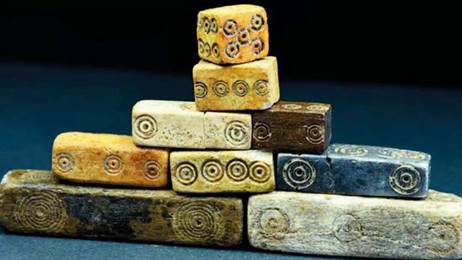
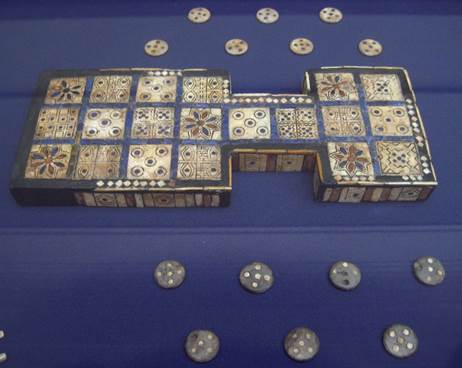
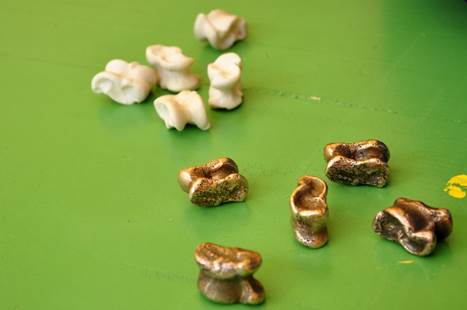
4 Long before cards, dice were the world’s first gaming tool and possibly the earliest form of gambling.
The oldest sixsided dice found date back to around 3000 BC in Mesopotamia older than the pyramids. Historians have found carved dice made of bone, stone, and ivory in ancient burial and settlement sites.
These early dice weren’t just for games they were used in divination, decisionmaking, and even religious rites, which later blended into betting traditions.
User voice: A commenter once noted:
“Dice are the oldest gambling artefact if chance shaped society, it shaped games too!” Reddit, r/realmoneycasinos.
From Roman legionnaires to farmers on festival days, dice were simple, portable and irresistible the perfect seed for future casino classics.
Playing Cards: From Simple Fun to Betting Culture
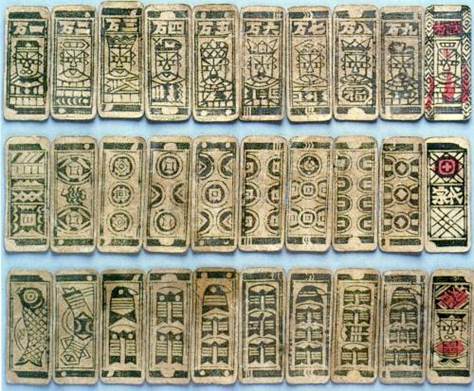
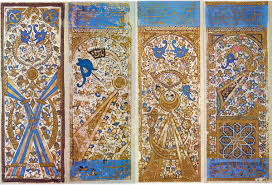
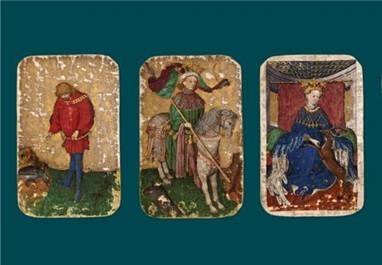
Cards today are everywhere but their journey was long and winding.
Playing cards are believed to have originated in China around the 9th century. What began as paper tokens for games quickly spread westward along trade routes.
In medieval Europe, card games became popular pastimes. Games like Primero (early 1500s), mentioned by figures such as Shakespeare and Rabelais, are considered ancestors of poker.
Fun example:
In Renaissance Europe, players didn’t just gamble chips early bets were often items like food, clothing, or even horses.
With time, card decks evolved into the familiar 52card format and with that came standardized games and betting rules.
Poker: A Slow Ride to a Global Game
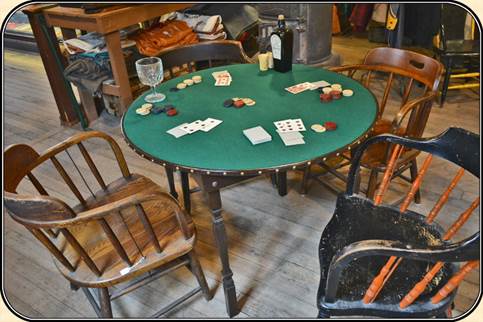
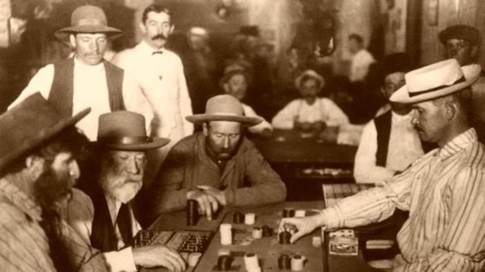
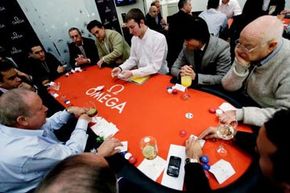
Poker’s earliest roots are murky, but what we do know is compelling:
Example from history:
In early 19thcentury Louisiana, poker was so popular that riverboat gambling halls became regular stops for players heading west.
The game evolved over decades going from 5card stud in saloons to community card games like Texas hold’em, popularized by tournaments in Las Vegas and the televised World Series of Poker.
Quote:
“Poker didn’t just evolve. It grew up with America.” historian on the spread of poker in the Old West.
21 Blackjack: Strategy Meets Chance
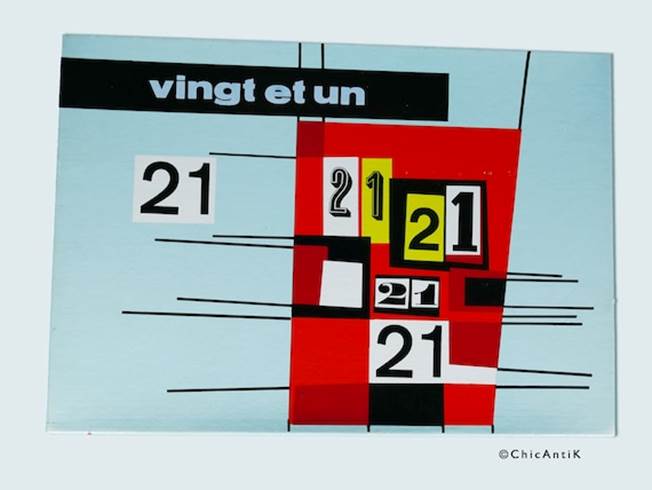
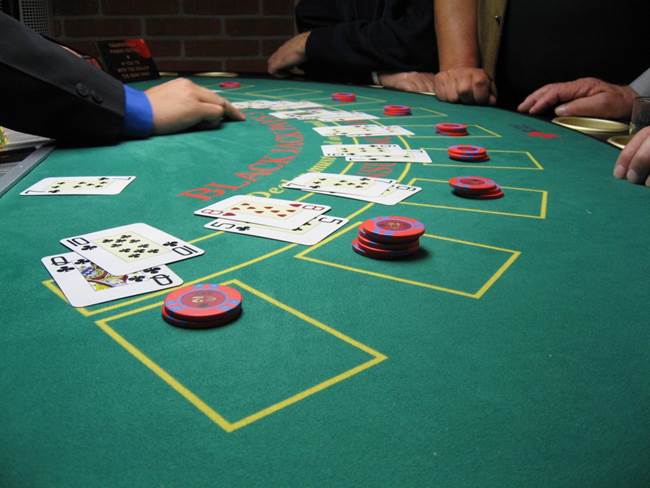
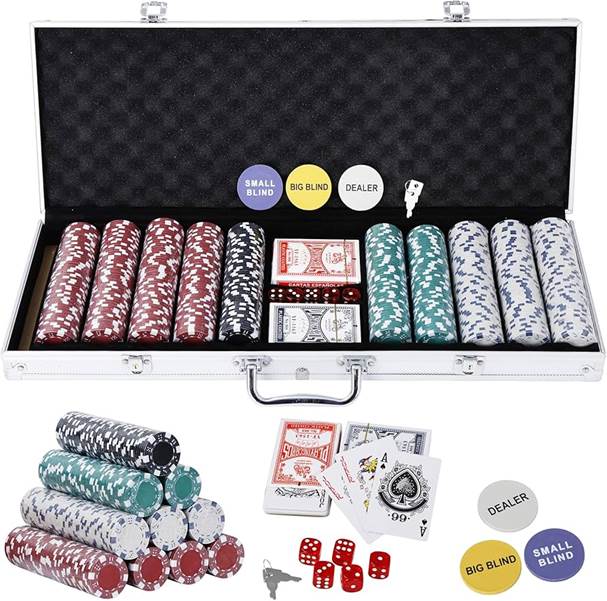
The game we now know as blackjack started with European variations of “21.” An early Spanish version called veintiuna is referenced in writings dating as far back as the early 1600s.
It was in French casinos that vingtetun became popular. Later, when the game reached America, casinos offered promotional bonus payouts for certain hands and the name blackjack stuck even after the bonus disappeared.
Stat attack: Today, blackjack has one of the lowest house edges (~0.5 % with perfect play) which is why it attracted strategic players and even mathematicians.
Quote:“Blackjack isn’t luck. It’s mathematics meeting instinct.” casino strategist.
Roulette: The Wheel That Spun a Revolution
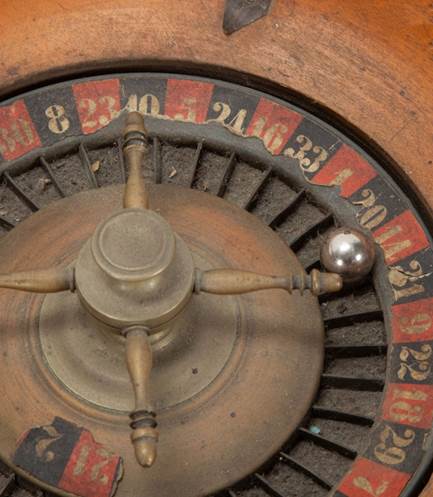
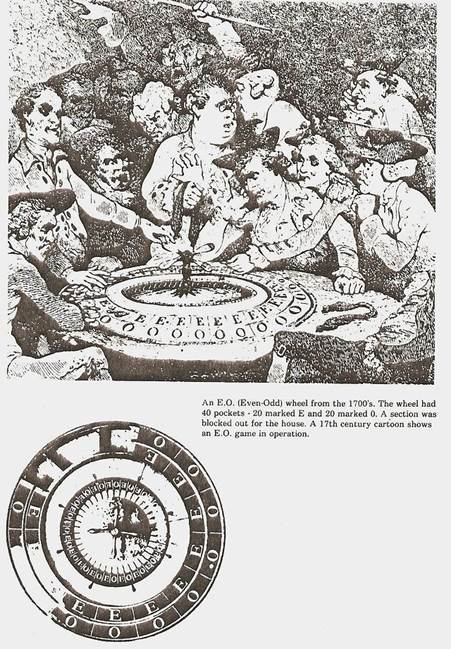
Roulette means “little wheel” in French. It’s often said that Blaise Pascal, during his attempts to invent a perpetual motion machine, laid the groundwork for the roulette wheel in the mid1600s.
As bets and wheel design spread through Europe, early versions lacked the precision of modern machines but they set the stage for one of the most iconic games in casino history.
Interesting twist:
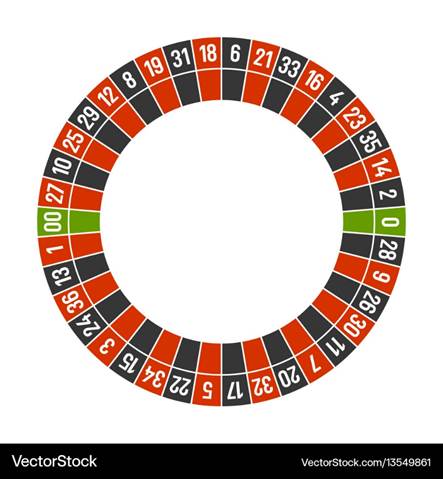
French casinos eventually developed the singlezero wheel (better odds for players), while American casinos added a doublezero to keep a house edge.
Slots & Mechanical Innovation
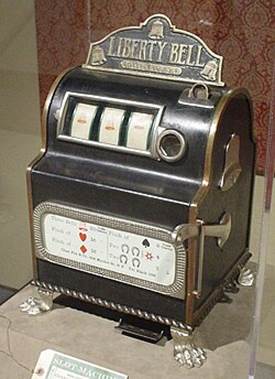
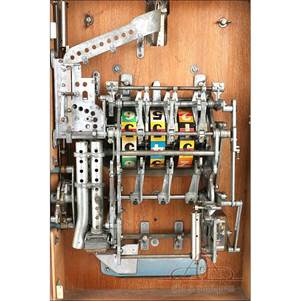

Slot machines started as mechanical curiosities but they reshaped casino culture.
In 1895, Charles Fey invented the Liberty Bell machine the first device to pay out winnings automatically. This small innovation sparked what would become a multibilliondollar industry.
Today, slot machines account for over 70 % of casino revenue worldwide dwarfing the share of table games. (Industry estimate)
From Parlours to Palaces Casinos Change the Game
In the 1600s, Venice opened one of the first official gambling houses. This marked gambling’s transition from casual homes and taverns to dedicated gaming spaces.
Inside these halls, games became standardized, rules were enforced, and casinos began balancing fairness with profit.
Example: Blackjack dealers began using devices like a shoe in the 1800s to hold multiple decks and reduce cheating.
Real People, Real Voices
Here are some real opinions from people discussing the history of these games:
Conclusion: The Heart Before the Lights
Modern casinos with lights, floors, and computer graphics look impressive, but the heart of the games has organic roots. They grew from simple moments: friends gambling after dinner, sailors passing time, emperors and peasants alike embracing chance.
Every card shuffle, wheel spin, and dice roll carries layers of history that span thousands of years. From curiosities to classics casino games were never invented all at once. They evolved, improved, and adapted, shaped by culture, technology, strategy, and people.
Stats That Tell a Story
| Game | Earliest Reference | Known For |
| Dice | 3000 BC Mesopotamia | Oldest gaming artefact |
| Playing Cards | 9th century China | Led to poker, blackjack, baccarat |
| Blackjack | 1600s Spain/France | Strategic play |
| Roulette | 18th century France | Mechanical spin |
| Slots | 1895 | Modern revenue powerhouse |