When people picture the birth of casinos, they often imagine glittering gaming halls in Las Vegas or glamorous European resorts in Monte Carlo.
But the first official casino in the world looked very different.
It was quiet. Formal. Government supervised. And it stood in one of the most powerful cities of the 17th century.
Its name was the Ridotto, and it opened in 1638 in Venice.
Its creation changed gambling history forever.
A Casino Born in a City of Masks and Merchants
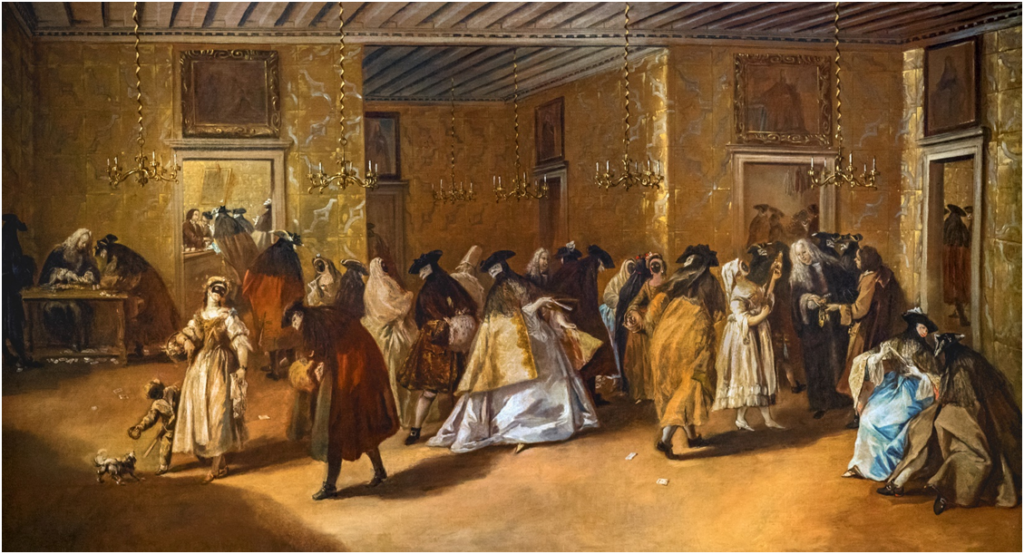
In the early 1600s, Venice was one of Europe’s richest trading powers. Merchants from across Asia and Europe passed through its canals. During Carnival season, the city transformed into a spectacle of masks, music, and celebration.
Gambling was already common across Europe. Dice games and card play took place in homes, taverns, and private gatherings. But these games were largely unregulated. Disputes over money were frequent. Some gambling houses operated illegally.
Venetian leaders faced a problem.
People would gamble regardless of bans. Underground betting created disorder. So instead of attempting total prohibition, the government made a strategic decision.
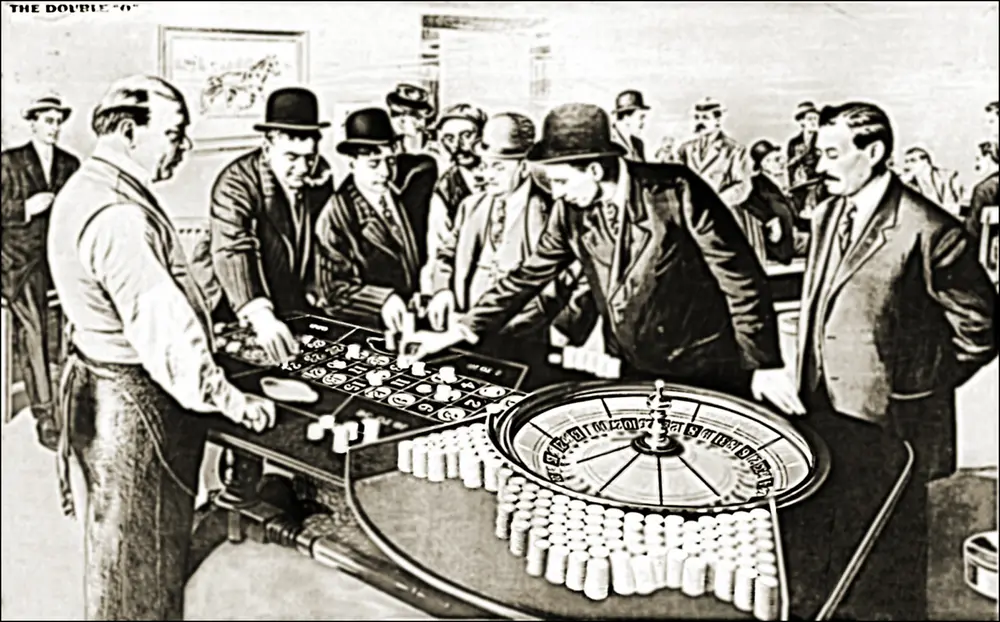
They would create a public gambling house under state control.
The Ridotto was established inside the Palazzo Dandolo, a grand building near the Grand Canal. It operated primarily during Carnival season, when thousands of wealthy visitors filled the city.
This was not a chaotic gambling den. Entry required formal dress. Masks were often mandatory. Only approved games such as biribi and certain card games were allowed.
For the first time, gambling had a state supervised home.
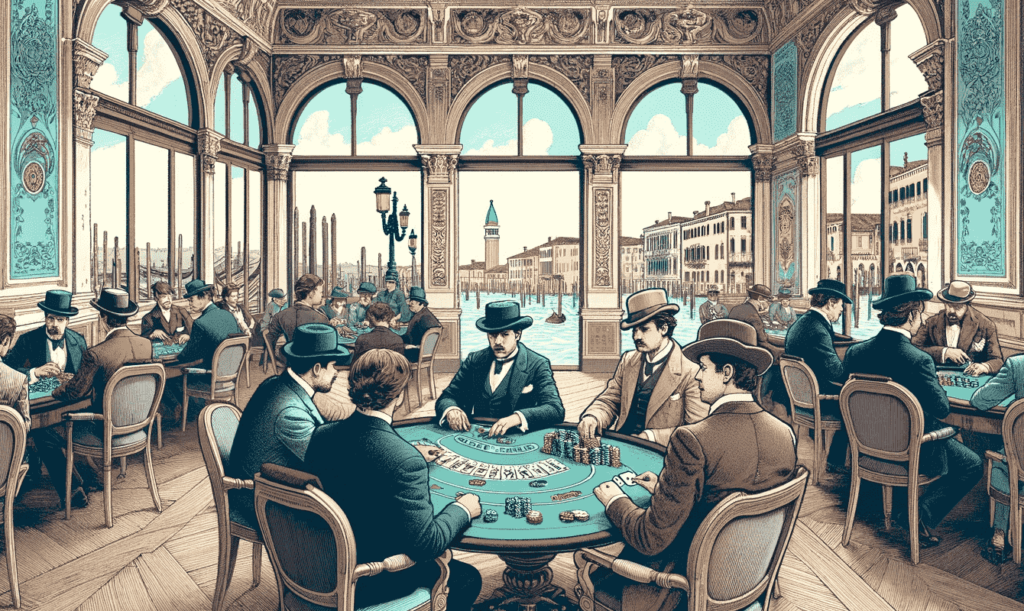
Why the Venetian Government Built It
The Ridotto was not built out of generosity. It was built for control and revenue.
Venice faced constant financial pressures. Maintaining naval power, protecting trade routes, and funding civic projects required steady income.
By legalizing and supervising gambling, the government could:
• Monitor activity
• Prevent street level disputes
• Collect revenue from wealthy players
• Attract elite tourism
This economic strategy proved effective. Gambling brought in substantial funds during Carnival, while also boosting spending in inns, restaurants, and shops.
Modern economists often describe this shift as one of the earliest examples of regulated vice generating public revenue.
A gaming historian once observed:
“The Ridotto was less about promoting gambling and more about managing a reality the government could not eliminate.”
That mindset feels familiar today.
The Social Environment Inside the First Casino
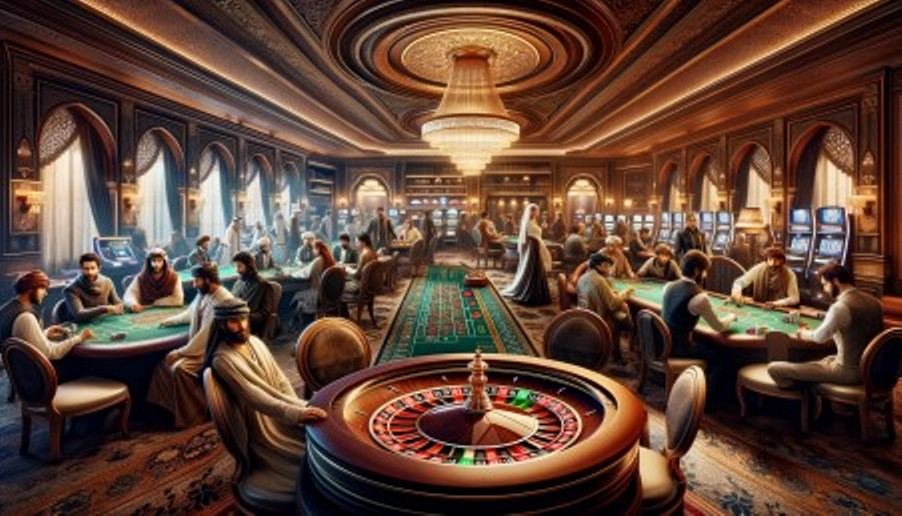
Unlike modern casino floors filled with thousands of slot machines, the Ridotto resembled an aristocratic salon.
Chandeliers illuminated marble floors. Dealers operated under supervision. Wealthy nobles and foreign visitors gathered around tables.
The atmosphere emphasized etiquette. Loud behavior was discouraged. Gambling was part of a refined social evening rather than a mass entertainment spectacle.
A travel diary from the 18th century described the Venetian gaming rooms as:
“A palace of fortune where silence carried as much weight as gold.”
This refined setting influenced later European casinos, including the famed Casino de Monte-Carlo, which opened in 1863 and still reflects aristocratic architectural style.
Why It Eventually Closed
Despite its success, the Ridotto closed in 1774.
The Venetian government grew concerned that citizens were losing excessive sums of money. Public criticism increased. Authorities decided to shut it down to address social pressure.
This closure reveals something important.
Even in the 18th century, leaders were balancing economic benefit with social responsibility.
That same debate continues today.
According to recent industry data, global gambling revenue exceeds 500 billion dollars annually. In the United States alone, commercial gaming revenue surpassed 60 billion dollars in 2022.
At the same time, research from the National Council on Problem Gambling estimates that about 1 percent of American adults experience severe gambling related problems.
The conversation that began in Venice has never truly ended.
How the Ridotto Changed Gambling History
Although the Ridotto eventually closed, its model spread.
Other European regions began experimenting with state supervised gaming houses. In Germany and France, spa towns integrated casinos into resort life. Monaco later built its economy around regulated gaming.
The idea was simple but revolutionary.
If gambling is inevitable, regulate it. Supervise it. Tax it. Structure it.
A Reddit history discussion once included this comment:
“It’s crazy that the first casino was basically a government project.”
That observation captures the shift perfectly.
The Ridotto transformed gambling from scattered private risk taking into a managed public institution.
From Venetian Halls to Modern Mega Resorts
Today, casino resorts in Las Vegas attract over 40 million visitors annually. Massive properties combine hotels, entertainment arenas, luxury dining, and gaming floors covering thousands of square meters.
Yet the concept behind these billion dollar complexes traces back to a decision made in 1638.
The Ridotto proved that gambling could operate inside rules. It demonstrated that governments could regulate rather than suppress. It introduced the model of combining entertainment with economic policy.
Modern casino regulation bodies around the world follow that same principle.
A Quiet Beginning That Changed Everything
The first official casino was not loud. It did not flash with neon. It did not advertise jackpots.
It was a carefully managed hall created to maintain order in a bustling city of merchants and masked revelers.
Its purpose was practical.
Its impact was global.
From that quiet building in Venice grew an industry now measured in hundreds of billions of dollars.
The Ridotto stands as a reminder that gambling’s evolution was not sudden. It was shaped by governance, economics, and society learning to manage human behavior instead of denying it.
Nearly four centuries later, every regulated casino in the world carries a small piece of that Venetian experiment.