When people imagine gambling today, they often picture giant casino resorts in Las Vegas or glamorous halls in Monte Carlo. They see polished marble floors, uniformed dealers, and towers of chips.
But the first places where people gambled for money were nothing like that.
They were homes. Markets. Army camps. Taverns. Temple courtyards.
There were no grand entrances or neon signs. There were only people, small objects, and the willingness to risk something of value.
To understand where gambling truly began, we need to go back thousands of years, before casinos existed, before governments regulated games, and before gambling became a billion dollar global industry.

Homes and Village Circles: The Earliest Gambling Spots
Archaeologists have discovered six sided dice in Mesopotamia dating back to around 3000 BCE. Even older knucklebones used for chance games have been found in archaeological sites across the Middle East and Central Asia. These small objects were often made from animal bones and carried in simple pouches.
Historians believe many of these games were played inside homes or in open village gathering spaces. There were no special gambling buildings. The village itself was the venue.
In ancient China, tiles believed to be early lottery style gaming pieces were uncovered dating back more than 2000 years. Some scholars suggest that early Chinese lotteries may have helped fund public construction projects.
The rewards were not always coins. Sometimes people wagered food, livestock, clothing, or handmade goods.
A cultural historian once wrote:
“Before money became standardized, people still gambled. They simply bet whatever had value in their world.”
Imagine a small farming village at night. A few people sit near a fire. One shakes a bone cube. Others lean in closely. When it lands, someone laughs, someone sighs.
That circle on the ground was one of the first gambling arenas in human history.
Today, global gambling revenue exceeds 500 billion dollars annually according to multiple industry reports. Yet it began in quiet circles like this.
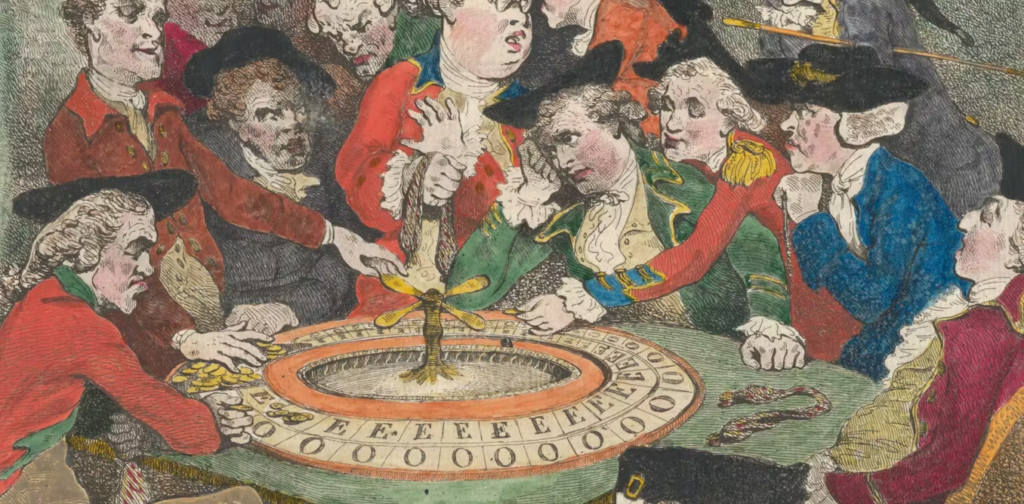
Markets and Public Streets: Where Money Met Opportunity
As civilizations grew, gambling followed the crowds.
Public markets in ancient Rome were noisy centers of trade. Coins exchanged hands constantly. Where money flows, betting naturally appears.
Roman soldiers were famous for playing dice games. Even though gambling laws were frequently passed to restrict it, people still played in streets and near taverns. During the festival of Saturnalia, restrictions were relaxed and gambling became openly accepted.
The Roman phrase “aleaiactaest,” meaning the die is cast, shows how deeply chance was embedded in daily life.
In Greece, betting often happened near bathhouses and public squares. In China, wagering took place during festivals and community gatherings.
These were not organized casinos. There were no official dealers or gaming floors. But real money changed hands.
A user in an online history discussion once commented:
“It’s funny to think Roman soldiers were basically doing the same thing as people betting on sports today.”
The location may have been a dusty street instead of a sportsbook, but the instinct was identical.
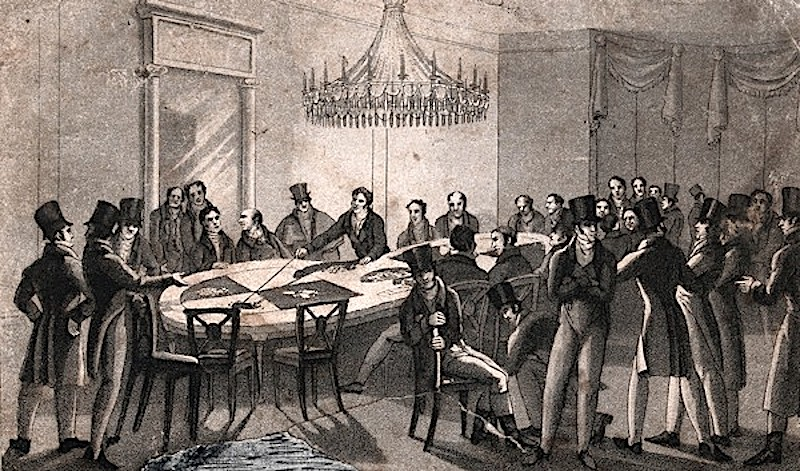
Temples and Ritual Spaces
In some early cultures, gambling blended with religion. Knucklebones were not only used for games but also for divination.
Ancient texts mention casting lots to make decisions. In several civilizations, chance was seen as a message from divine forces.
The line between spiritual ritual and gambling was sometimes very thin.
This is important because it shows that early gambling locations were not always purely commercial. They could be sacred courtyards, temple steps, or ritual gathering spots.
People believed fate itself was involved.
Taverns, Inns, and Army Camps
As trade routes expanded during the Middle Ages, taverns and inns became central social hubs. Travelers, merchants, and soldiers gathered under one roof.
Games naturally followed. Dice and early playing cards became common in European taverns by the 14th century.
Army camps were another major early gambling environment. Soldiers needed ways to pass time between battles. Dice games were portable, simple, and exciting. Wagers were often small, but meaningful.
In medieval England, records show laws attempting to limit gambling among lower classes, especially soldiers and laborers. The repeated need for regulation suggests how widespread gambling had become.
A historian studying medieval England noted:
“Wherever soldiers camped, dice rolled.”
These temporary camps helped spread gambling traditions across continents.
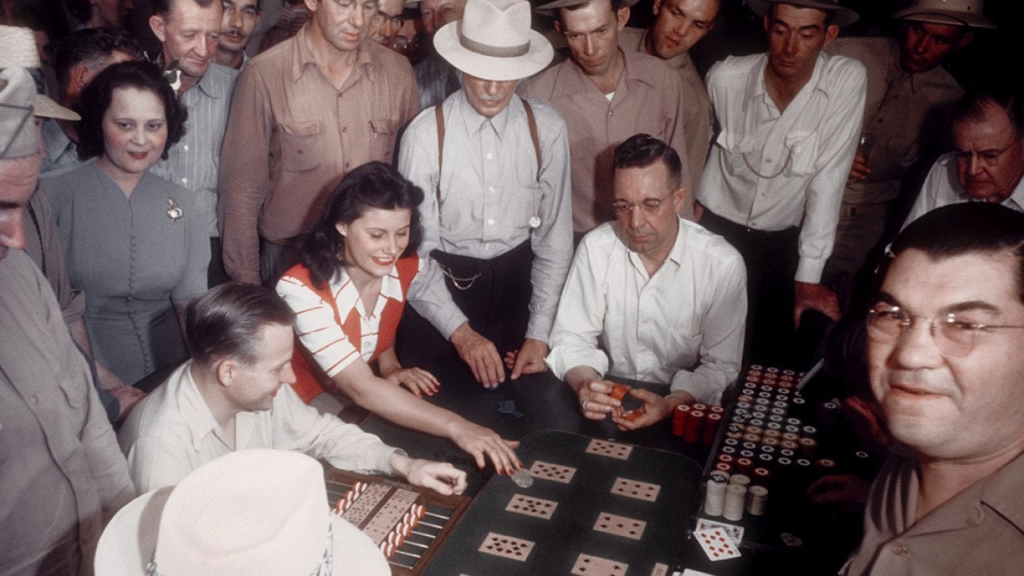
The Old West and Saloons in America
When gambling expanded into North America, saloons became iconic gambling spaces.
In frontier towns, poker games were played at wooden tables under oil lamps. Gold coins and paper currency moved across rough surfaces. There were no formal casino interiors, only basic furniture and strong personalities.
Places like Deadwood became famous for frontier gambling culture.
These saloons represent an important stage between informal street gambling and fully developed casino halls.
The First Official Gambling Houses
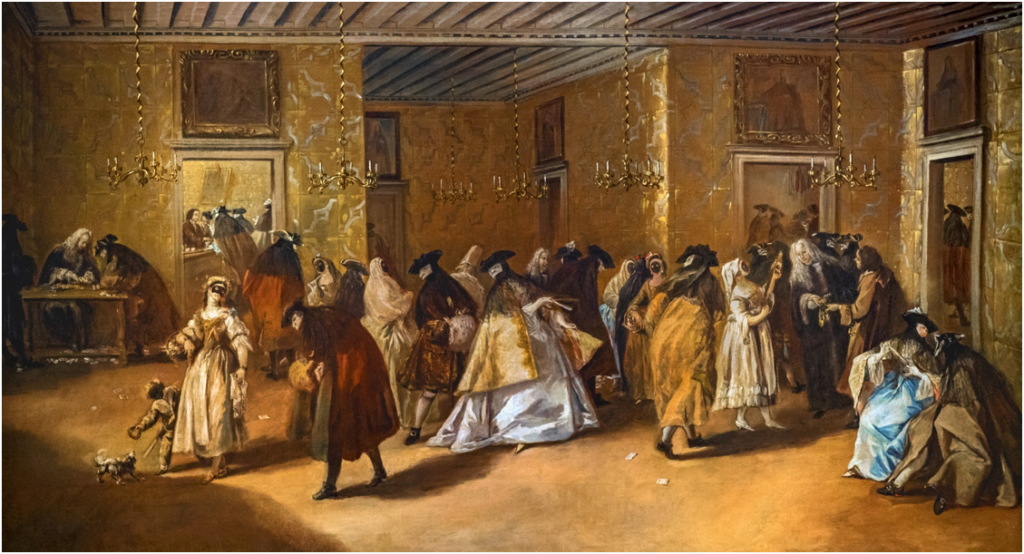
In 1638, Venice opened the Ridotto, often considered the first government sanctioned gambling house.
For the first time, gambling had a dedicated building designed specifically for gaming.
Unlike village circles or taverns, this location was regulated and structured. It marked the beginning of gambling moving from everyday spaces into official venues.
From there, gambling houses slowly evolved into the grand casinos seen in Monte Carlo and later in Las Vegas.
A Simple Beginning Behind a Global Industry
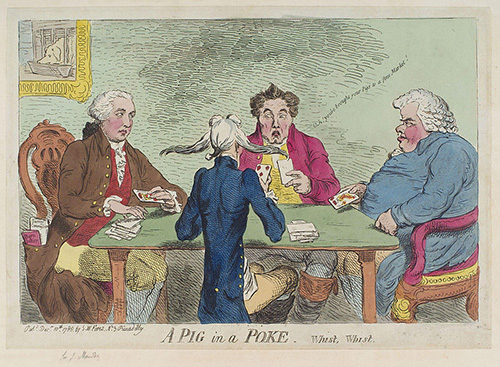
According to the American Gaming Association, commercial casinos in the United States alone generated over 60 billion dollars in revenue in 2022. The industry now spans online platforms, luxury resorts, cruise ships, and integrated entertainment complexes.
Yet the first gambling locations were incredibly simple.
• A village fire circle
• A crowded Roman market
• A festival street
• A military camp
• A wooden tavern table
A modern online commenter once wrote:
“We think gambling started in fancy casinos, but really it started wherever two people were bored and had something to wager.”
That observation captures the truth perfectly.
Gambling did not begin with architecture. It began with human curiosity and risk taking.
Someone said, I bet you cannot win.
Someone else answered, let us try.
And that exchange, whether in an ancient village or a frontier saloon, created the very first gambling places in history.