When most people imagine a casino today, they picture the glowing skyline of Las Vegas, massive gaming floors inside Bellagio, or thousands of slot machines lighting up at once inside Caesars Palace.
Screens flash. Music plays. Machines ring. Everything feels fast, loud, and engineered for stimulation.
But step back a few centuries and casinos looked nothing like this. They were quiet. Formal. Exclusive. Designed more like aristocratic salons than entertainment factories.
To truly understand why old casinos looked so different, we need to explore architecture, technology, social class, economics, and even psychology.
The First Casinos Were Elegant, Not Electric
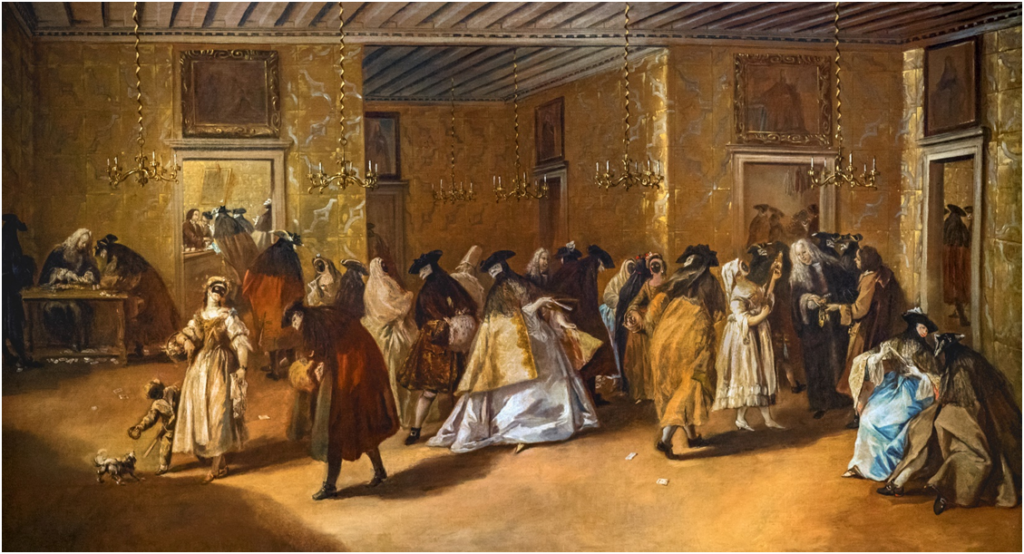
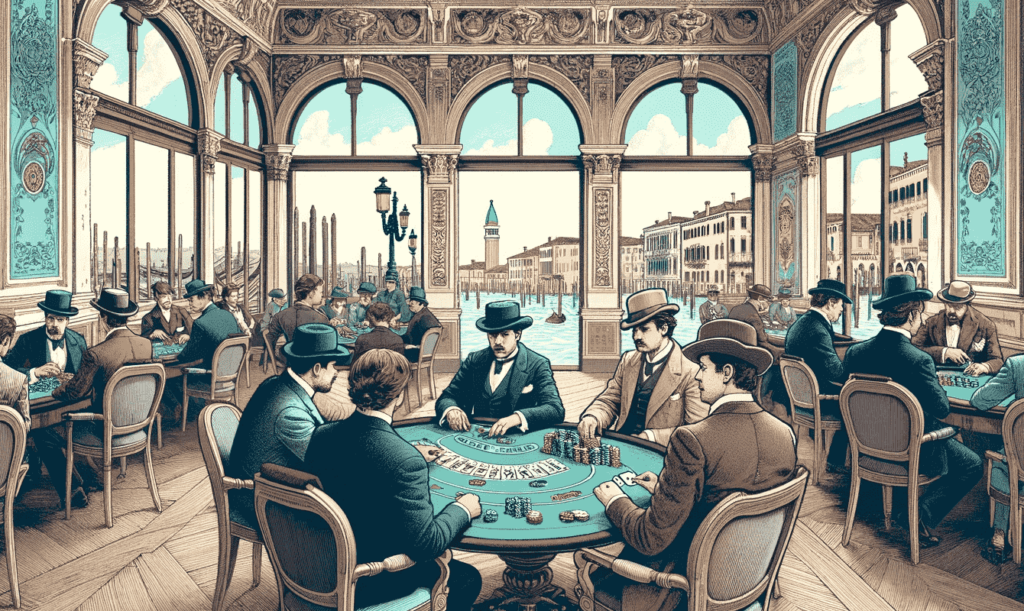
The world’s first recognized public gambling house opened in 1638 in Venice. It was called the Ridotto, created by the government of the Venetian Republic to control gambling during carnival season.
It was not a noisy hall filled with machines. It was a refined palace room inside a noble building. Guests wore masks and formal dress. Chandeliers hung from painted ceilings. Tables were arranged carefully.
Historian David Schwartz once explained that early European casinos were “closer to aristocratic drawing rooms than commercial gambling halls.”
Old casinos were deeply tied to high society. In places like Venice and Monte Carlo, gambling was part of elite social culture. The famous Casino de Monte-Carlo, opened in 1863, still reflects that tradition today with marble columns, sculptures, and opera house architecture.

There were no blinking lights because electricity was not widely available. Illumination came from candles and gas lamps. Sound came from conversation, not speakers.
In the 18th and 19th centuries, most gambling games were table based. Roulette, baccarat, and early card games dominated. Players sat face to face. The experience was slow and personal.
A travel diary from the 1800s described Monte Carlo as:
“A glittering palace of quiet tension, where fortunes changed hands beneath crystal chandeliers.”
That tone tells you everything about the atmosphere.
Old Casinos Were Built for the Elite
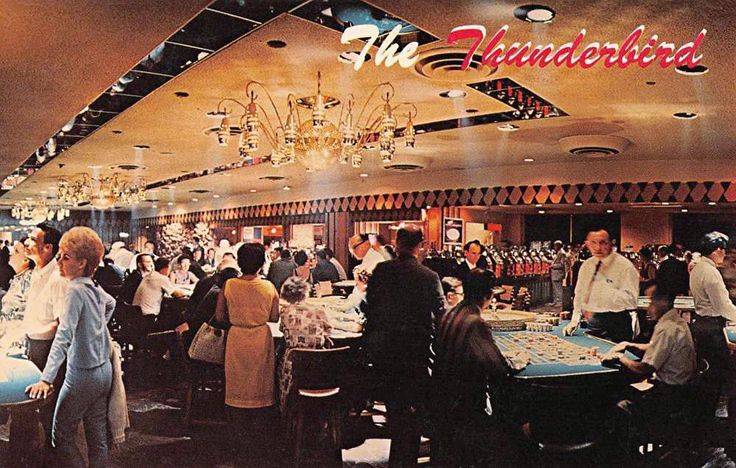
In earlier centuries, gambling access was restricted. Many casinos were located in spa towns or luxury travel destinations.
Monte Carlo became financially dependent on casino revenue. By the late 19th century, gambling profits funded much of Monaco’s economy. At one point, gaming taxes were so strong that Monaco eliminated income tax for residents.
That model was very different from modern American casino culture.
In the United States, casino expansion accelerated after Nevada legalized gambling in 1931. By the 1950s, Las Vegas had become a booming entertainment center.
Old European casinos were designed for hundreds of guests. Modern Las Vegas mega resorts are built for tens of thousands daily visitors.
According to the American Gaming Association, commercial casinos in the United States generated over 60 billion dollars in revenue in 2022 alone. That scale of business simply did not exist in earlier centuries.
The design followed the audience.
Old casinos reflected aristocracy and exclusivity.
Modern casinos reflect mass tourism and global entertainment.
Technology Completely Transformed Casino Design
One of the biggest visual differences comes from technology.
In 1895, Charles Fey created the Liberty Bell machine in San Francisco. It was mechanical, simple, and made of metal gears. It produced only a clicking sound when the reels stopped.
There were no digital displays. No bonus animations. No surround sound.
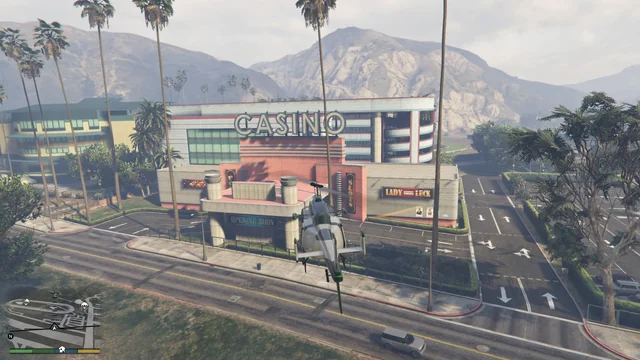
Today, a single modern casino floor can contain thousands of digital slot machines with animated themes based on movies, mythology, or pop culture. Machines now include LED screens, immersive sound design, and complex reward systems.
Research in environmental psychology shows that bright lights, rhythmic sounds, and rapid feedback loops increase player engagement. Modern casinos intentionally use these tools.
Interior designers also carefully remove clocks and windows in many gaming areas to reduce time awareness. This is called environmental immersion strategy.
Old casinos had large windows, natural light, and visible architecture. Their goal was elegance. Modern casinos aim for stimulation and retention.
A casino architect once commented in an interview:
“Today’s casino floor is designed like a carefully engineered maze. Every light and sound has a purpose.”
That scientific approach did not exist centuries ago.
Cultural Shifts Changed Everything
Casinos evolved alongside society.
In the 1800s, gambling was often considered morally questionable in many countries. That social tension influenced discreet and refined architecture.
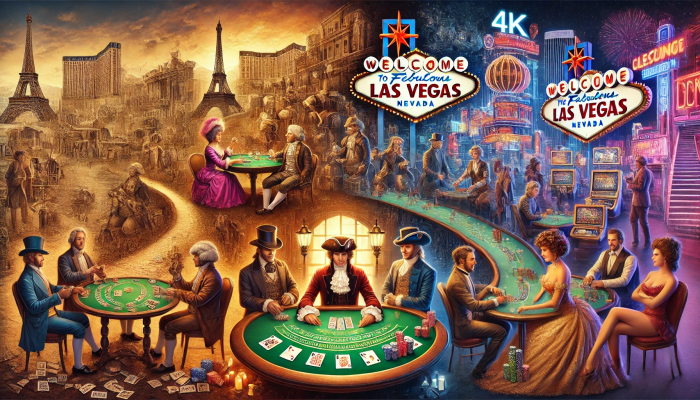
In contrast, modern gambling in places like Las Vegas is marketed openly as entertainment. Resorts combine gaming with concerts, restaurants, shopping malls, and luxury pools.
The The Venetian Resort replicates canals and Renaissance architecture inside a climate controlled structure. That kind of themed entertainment would have seemed unimaginable to 18th century gamblers.
Even carpets changed.
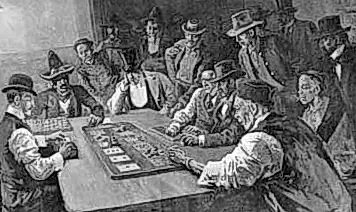
Old casinos used wood floors and marble tiles.
Modern casinos use bold patterned carpets designed to visually energize the space and hide wear from heavy foot traffic.
A Reddit user discussing vintage casinos wrote:
“Old casino photos feel calm and classy. Modern ones feel like sensory overload.”
Another user responded:
“I kind of miss the idea of gambling being slow and elegant instead of fast and digital.”
These reactions show how design affects perception.
The Games Stayed the Same Even If the Rooms Did Not
Despite massive architectural and technological changes, the core games remain surprisingly similar.
Roulette wheels still spin the same way they did in 18th century France.
Cards are still shuffled and dealt in blackjack.
Dice still bounce across felt in craps.
The emotional experience also remains consistent.
A study published in gambling psychology research found that anticipation triggers dopamine release in the brain. That anticipation existed in candlelit rooms centuries ago just as it exists under LED lights today.
The environment changed. The human reaction did not.

Visual Comparison
Old Casino Characteristics
• Chandeliers and candlelight
• Marble columns and wooden tables
• Small, private gaming rooms
• Elite guest lists
• Soft conversation and formal dress
Modern Casino Characteristics
• Neon lighting and digital screens
• Massive open floor plans
• Thousands of slot machines
• Integrated hotels and malls
• Loud sound systems and constant motion
A Reflection of Their Time
Old casinos reflected a slower society built on class distinction and formal social gatherings.
Modern casinos reflect globalization, tourism, behavioral science, and technology.
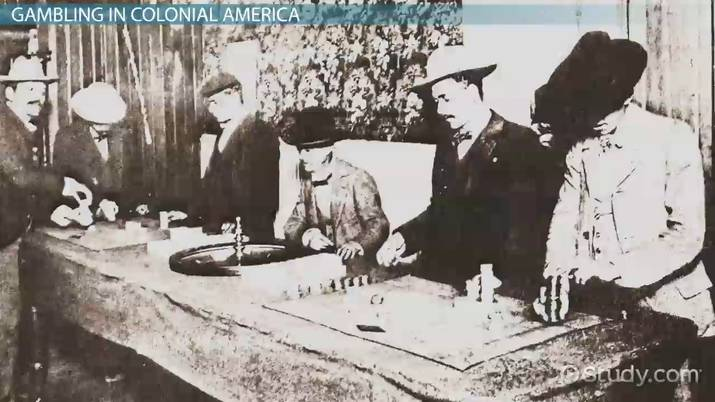
Neither style is superior. They simply represent different eras.
If you look at historic images of Monte Carlo in the 1800s and compare them to present day Las Vegas mega resorts, you are not just seeing architectural change. You are seeing cultural transformation.
Casinos evolved from aristocratic salons into billion dollar entertainment complexes.
But at the center of both worlds remains a simple human moment.
A player places a bet.
The wheel spins.
Time pauses.
Hope rises.
That feeling connects candlelit Venice to neon Nevada, even if the rooms around the table look completely different.