The gaming business has changed considerably as economies, laws, and travel patterns have developed. In earlier periods, gambling often took place in taverns, private rooms, or local gathering places. These activities could generate income, but they rarely operated on the international scale associated with modern casino destinations.
The emergence of organized gaming establishments created new commercial opportunities. Governments could regulate venues and collect taxes, while businesses could invest in buildings, staff, equipment, and hospitality services. The economic effects depended on local conditions, including legal restrictions and the number of visitors a destination could attract. Click me!
One important shift occurred when gaming became closely connected with tourism. Instead of relying only on local customers, casino destinations began attracting travellers who also needed accommodation, food, transport, and entertainment.
Monte Carlo illustrates this development. The creation of the Société des Bains de Mer in 1863 formed part of a broader plan to develop Monaco as a luxury leisure destination. Hotels, cafés, gardens, and other attractions helped build an economy around visitor spending rather than gaming alone.
This model created opportunities for businesses beyond casino operations. Hospitality workers, builders, transport providers, and local retailers could all benefit from increased visitor activity. However, the degree of benefit depended on how spending was distributed across the local economy.
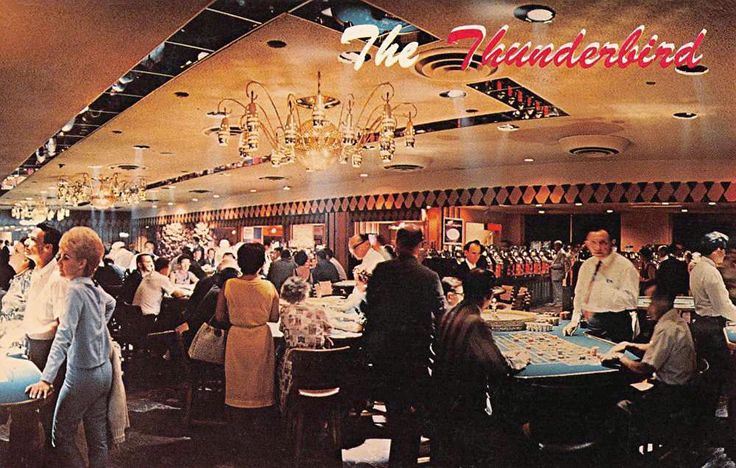
Las Vegas demonstrates how investment can change the scale of a gaming destination. Nevada legalized broad forms of gambling in 1931, providing a legal foundation for the industry’s later expansion. During the following decades, casinos increasingly combined gaming with hotels, restaurants, live entertainment, and distinctive resort architecture.
This approach required substantial investment and a workforce with varied skills. Construction projects supported demand for building materials and services, while hotels and entertainment venues created jobs in hospitality and operations.
The growth of Las Vegas also made the gaming industry more sensitive to wider economic conditions. Travel demand, consumer spending, financing costs, and business confidence could influence how many people visited and how much they spent.
Macau provides another example of how economic policy and international investment can reshape gaming markets. Its industry developed through several distinct periods, including the growth of traditional games, the long concession held by Sociedade de Turismo e Diversões de Macau from 1962 to 2002, and the expansion of integrated resorts after the market opened to greater competition.
The University of Macau’s historical account describes how this later period brought new investment, tourism growth, regulatory changes, and efforts to diversify the local economy.
Large resorts expanded the business beyond gaming floors, adding accommodation, shopping, meetings, and entertainment. This helped Macau strengthen its position as an international visitor destination, while also increasing the importance of tourism trends and regulatory decisions.
Gaming can generate tax revenue, employment, and demand for local services, but these outcomes are not guaranteed or evenly distributed. A destination that depends heavily on casino tourism may become vulnerable when travel declines or regulations change. Gambling-related harm can also create costs for individuals, families, and communities.
For this reason, economic assessments need to consider both commercial activity and its wider social effects. Licensing rules, consumer protections, workforce conditions, and investment in other industries can influence how sustainable a destination’s growth becomes.
The global gaming business has evolved alongside tourism, urban development, international investment, and government policy. From historic European venues to large resorts in Las Vegas and Macau, each stage reflects the economic priorities of its time.
Understanding these changes provides a more complete picture of casino history. The industry has grown not simply because games remained popular, but because businesses and governments repeatedly found new ways to organize, finance, regulate, and market gaming as part of a wider entertainment economy.