
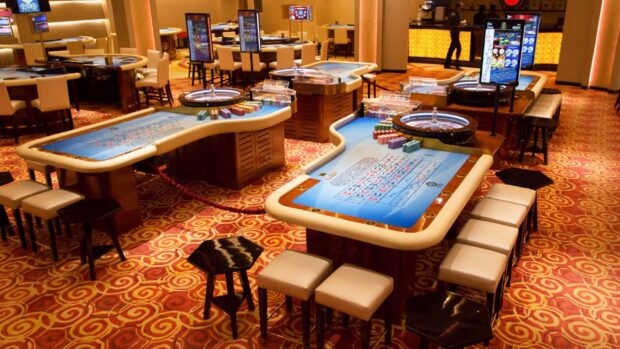
From Gaming Rooms to Urban Landmarks
Some gaming venues have influenced the development of entire cities. Their importance extends beyond the games played inside them. Over time, major establishments have attracted visitors, encouraged investment in hotels and restaurants, and helped create recognizable local identities.
Monte Carlo offers a clear historical example. In 1863, Prince Charles III of Monaco supported the creation of a casino and a new leisure district. The development was intended to attract visitors and strengthen the principality’s economy. Hotels, gardens, cafés, and villas gradually grew around the project, helping transform the area into a destination known internationally as Monte Carlo.
Monte Carlo and the Luxury Tourism Model
The Monte-Carlo Casino became part of a broader strategy that connected gaming with hospitality and tourism. Visitors could enjoy elegant architecture, gardens, accommodation, and social events alongside gaming facilities.
This approach mattered because it created reasons to visit beyond gambling itself. The destination’s identity was built through its physical surroundings and the wider experience offered to travellers. The model also showed how investment in leisure infrastructure could contribute to the reputation of a small territory.
Monte Carlo’s development was not simply the result of one building. It depended on coordinated investment, marketing, transport connections, and the creation of complementary attractions.
Las Vegas and the Growth of the Resort City
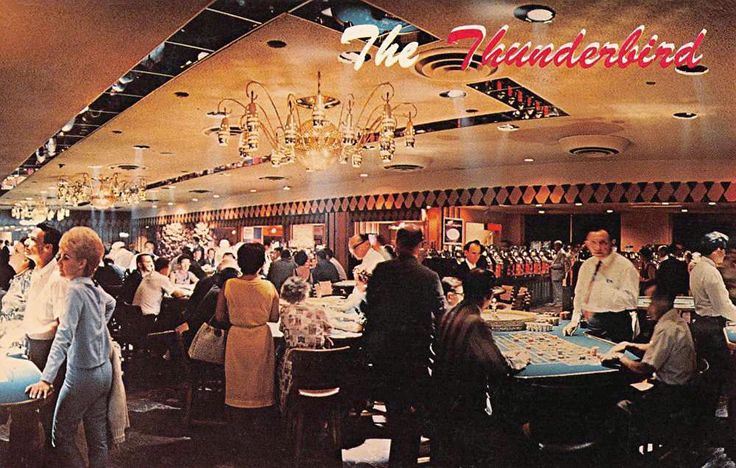
Las Vegas followed a different path. The city was founded in 1905, and Nevada legalized broad forms of gambling in 1931. Over subsequent decades, gaming businesses became increasingly connected with hotels, entertainment, restaurants, and large-scale visitor facilities.
The development of themed hotel-casinos helped distinguish Las Vegas from traditional gaming destinations. El Rancho Vegas opened in 1941 and helped establish the resort model that later expanded along what became the Las Vegas Strip. The city’s historical timeline documents the arrival of several major hotel-casinos during the 1940s.
As these properties expanded, they influenced employment, construction, transport, and the city’s public image. Casinos became part of a much larger tourism economy rather than isolated places of entertainment.
Architecture as Part of a City’s Identity
Landmark gaming venues often use distinctive architecture to create memorable visitor experiences. Monumental entrances, themed interiors, illuminated façades, and carefully designed public spaces can become recognizable symbols of a destination.
Researchers examining Monte Carlo and Las Vegas have described how luxury, spectacle, and cosmopolitan imagery helped both cities establish identities around their casino-resort industries.
These design choices can influence how visitors remember a city and how it presents itself internationally. However, the benefits are not automatic. Large developments also require infrastructure and can create pressure on housing, public services, and local resources.
A Lasting Influence on Urban Development
The history of landmark gaming venues shows how entertainment can become part of urban planning and economic strategy. Monte Carlo developed a luxury leisure identity, while Las Vegas grew into a large-scale resort destination.
Their paths were different, but both demonstrate that a prominent venue can influence a city’s architecture, tourism, employment, and public image for generations.



[…] Standardization helped make games easier to operate across different venues, but individual casinos continued to offer variations in rules, table limits, and game formats. Read me! […]
[…] The emergence of organized gaming establishments created new commercial opportunities. Governments could regulate venues and collect taxes, while businesses could invest in buildings, staff, equipment, and hospitality services. The economic effects depended on local conditions, including legal restrictions and the number of visitors a destination could attract. Click me! […]
[…] These developments helped transform informal pastimes into recognizable gaming traditions. Learn more about […]
[…] and the social rules of a venue all influence how people experience a gaming environment. Source of more about […]
[…] Venice provides an early example. Its famous Ridotto opened in 1638 as an organized gambling venue connected with Carnival celebrations. The establishment combined formal gaming with elaborate surroundings and social customs. Its history also reveals that authorities struggled to balance popular entertainment with concerns about excessive spending and public order. Read on! […]
[…] These activities were not the same as today’s regulated casino resorts. Rules and enforcement varied by location, and games could operate in informal or legally uncertain settings. Nevertheless, frontier gambling helped establish a connection between gaming, travel, and local economies. Go here! […]
[…] A further transformation followed in the early 2000s, when Macau entered a new phase of casino development. Large integrated resorts, international investment, hotels, dining, and entertainment became increasingly important. The destination’s history therefore reflects both local gaming traditions and changes in international tourism. Click here! […]
[…] By 1995, some websites were offering casino-style games for entertainment without real-money wagering. These early services were limited compared with today’s platforms. Internet connections were slower, graphics were basic, and users generally interacted with games through desktop computers. Visit this site! […]
[…] arrival of more capable mobile phones began changing this experience with this webpage. Early mobile services used technologies such as Wireless Application Protocol, or WAP, to deliver […]
[…] Although the venue was described as public, access did not mean that everyone could participate on equal terms. High stakes, formal expectations, and the social structure of Venetian society made the experience more accessible to wealthy visitors. Masks were also associated with the Carnival atmosphere. Go with this link! […]