Long before modern casino tables existed, people used dice and other objects to create uncertain outcomes in games. Archaeological evidence from the ancient Near East shows that gaming traditions go back thousands of years. The Metropolitan Museum of Art notes that early board games used dice and throwing sticks to determine how pieces moved across a playing surface.
Ancient dice were made from materials such as bone, ivory, and other available substances. Their uses varied between societies, with some games serving as recreation and others carrying associations with fortune-telling or wagering.
Although these activities were not identical to modern casino games, they introduced familiar elements: rules, turns, possible outcomes, and competition between participants.
As games spread between communities, rules and equipment changed. In ancient Greece and Rome, dice games became part of social gatherings. Historical accounts describe wagering on throws and the use of dice in different forms of entertainment.
Card games eventually created additional possibilities. Playing cards allowed players to combine chance with choices about which cards to keep, reveal, or play. Over time, card games developed distinct rules and recognizable formats, laying the groundwork for many later gambling traditions.
The evolution was not a simple line from one ancient game to a modern casino table. Different regions developed games independently, while trade and cultural contact helped other forms spread and change.
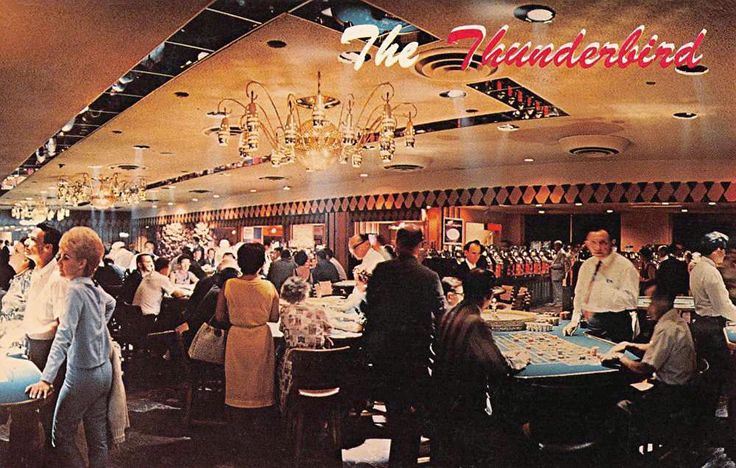
Roulette developed in Europe and became associated with organized gaming venues during the eighteenth and nineteenth centuries. Its numbered wheel and betting layout gave players a structured way to wager on individual numbers, groups of numbers, or colour combinations.
Blackjack has a more complicated history. It is often linked to earlier European card games, including French vingt-et-un, meaning twenty-one. The game’s rules evolved as it spread, particularly in North America, where local variations and casino rules helped establish recognizable versions.
Poker also developed through several influences rather than one universally accepted point of invention. During the nineteenth century, it became increasingly visible in the United States, including on riverboats and in frontier settlements. Different versions emerged, with betting rounds and hand rankings becoming central features.
As table games became established in commercial venues, consistent rules grew increasingly important. Players needed to know how bets were settled, which outcomes counted as wins, and how ties were handled.
Probability also became central to understanding games of chance. The number of possible outcomes and the rules governing payouts influence a game’s mathematical expectations. Casino rules can therefore change the statistical relationship between wagers and potential returns.
Standardization helped make games easier to operate across different venues, but individual casinos continued to offer variations in rules, table limits, and game formats. Read me!
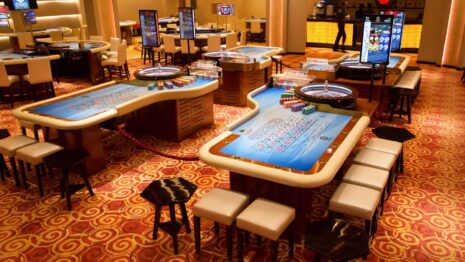
Modern table games preserve some basic ideas found in older games while using more formal equipment and rules. Dice still generate uncertain results, cards still create combinations, and numbered wheels still turn chance into a structured game.
Their histories demonstrate how entertainment changes through cultural exchange, commercial organization, and changing social habits. Today’s casino tables are not direct copies of ancient pastimes, but they belong to a much longer history of people creating games around uncertainty, competition, and shared rules.